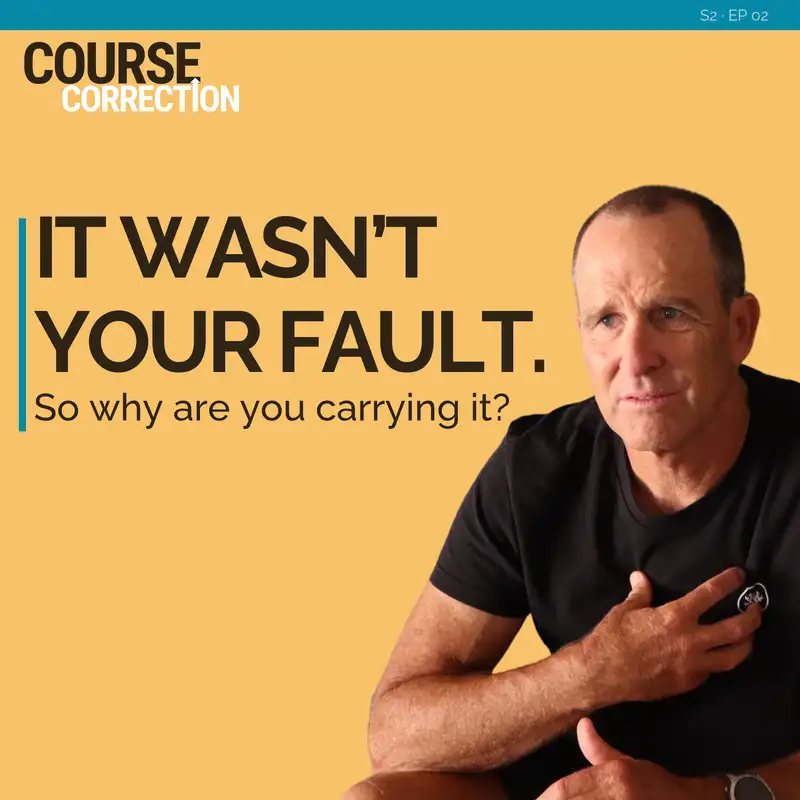
Guilt That Was Never Yours: How to Forgive Yourself | S2 EP02
On the outside you’re capable and steady. On the inside, there’s a voice keeping a record of every mistake and every way you’ve let someone down, and it rarely lets up.
Last episode was about stopping to look back before moving forward. This time Stephen goes back to the heaviest thing he ever carried: 15 years of guilt for standing up to the father who broke his trust. What lifted it taught him who forgiveness is really for, and it starts with one honest question about what you’re still punishing yourself for.
For fathers, executives, veterans, and men ready to set down guilt that was never theirs to carry. This one is for you.
yourcoretruths.com
~~~~~
SHOWNOTES
Guilt That Was Never Yours: How to Forgive Yourself
~~~~~
SHOWNOTES
Guilt That Was Never Yours: How to Forgive Yourself
Most capable men keep a private record of every mistake, every failure, and every way they've let someone down. No one around them sees it. They look steady, and underneath, a voice keeps score without ever asking whether the charge is fair.
Some of what's on that record is real. A lot of it was never yours to carry, and in Season 2, Episode 2 of Course Correction, Stephen Rodi tells the story of the heaviest one he carried.
When the person who was wronged carries the guilt
In the mid-1990s, Stephen's father broke a trust meant for Stephen and his sister. After asking him to make it right more than once, they took him to court, and the verdict ended the relationship. Years later, his father told him he would make the same choice again. Stephen was the one who had been betrayed, and he was the one who felt disloyal, a weight he carried for 15 years.
Why self-blame becomes the story you tell about yourself
A big choice gives you a convenient story to turn against yourself. Most men do some version of it, blaming themselves for the marriage that ended, the father who wasn't there, the years they lost, or what it took to survive what was done to them. Over time, that blame and the shame that comes with it become part of how you see yourself.
A big choice gives you a convenient story to turn against yourself. Most men do some version of it, blaming themselves for the marriage that ended, the father who wasn't there, the years they lost, or what it took to survive what was done to them. Over time, that blame and the shame that comes with it become part of how you see yourself.
Forgiveness is not the same as letting someone back in
Forgiving someone doesn't mean excusing what they did, pretending it didn't matter, or bringing them back into your life. Forgiveness and reconciliation are two different things, and you can offer one without the other. Timing matters too. Rush to forgive before you've been honest about what happened and you're only looking away, but wait until you feel worthy and you could wait forever.
In This Episode:
- How 15 years of guilt over standing up to his father began to lift, starting at a retreat and ending at a dinner table.
- Why the guilt landed on the son and not on the father who broke the trust.
- A three-part process: recognize the blame as a story, set down what isn't yours, and choose to forgive yourself.
- The difference between forgiveness and reconciliation, and why confusing them keeps men stuck.
- Why it's hard to trust your own choices while part of you is still building a case against yourself.
This Week's Practice
Think of one thing you've been punishing yourself for and ask yourself: Is this really mine to carry? Then finish this sentence out loud or on paper: "I forgive myself for..." Notice how it feels to say it. Relief, resistance, or nothing at all, and any of those is okay.
Connect with Stephen
If something in this episode feels like your story and you'd like a guide as you do this work, you can find Stephen at yourcoretruths.com.